Person
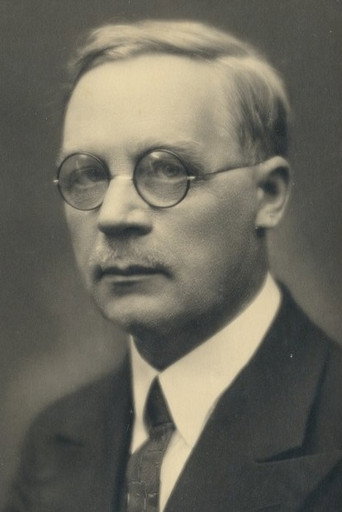
Mait Metsanurk
Writing · 1879–1957
Biography
Eduard Hubel (November 19, 1879 – August 21, 1957), better known by his penname Mait Metsanurk, was an Estonian writer who led the neo-realist school of Estonian literature. Metsanurk was born as the youngest of eight children in a peasant family in Saare farmstead, Metsanuka (now Tartu Parish), in the Kreis Dorpat of the Governorate of Livonia. He attended elementary school in Orge and a Russian-speaking city school in Tartu. He worked in various positions, first as an office clerk, then as a schoolteacher and from 1906 as a journalist. He is buried at the Metsakalmistu cemetery in Tallinn. Metsanurk reached his literary breakthrough in 1908 with his realistic portrayal of Estonian town and country life at the time. In particular, social contradictions and tensions were used in his work. He became one of the most prolific and popular writers and playwrights of his era. Together with A. H. Tammsaare (1878–1940), he is considered one of the most outstanding representatives of Estonian neo-realism of the interwar period. His main work, the historical novel Ümera jõel (On the Ümera River) (1934), depicts the struggle of the pagan Estonians against the Danish and German conquest in the thirteenth century. In addition, he worked as a literary critic and translator. In 1924-25 and from 1930 to 1936 Metsanurk was chairman of the Estonian Writers' Union. With the Soviet occupation of Estonia, Metsanurk was sidelined politically and expelled from the Writers' Union. He was rehabilitated in 1956, after the death of Stalin.
Known for
Filmography
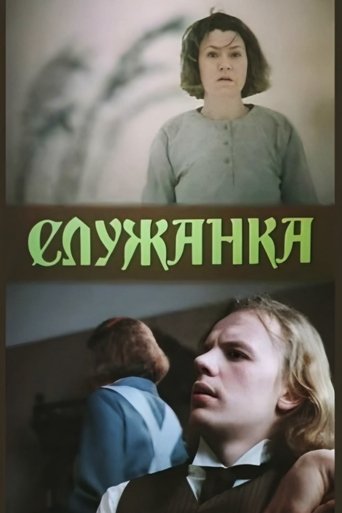
- 1990HandmaidenAuthor
- —On the Ümera RiverNovel
Follow their work on Vescene
Rate films and shows on two axes — quality and fun — and share taste with friends.