Person
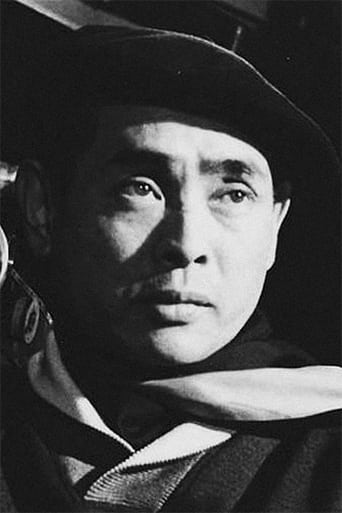
Keisuke Kinoshita
Directing · 1912–1998 · Shizuoka, Japan
Biography
Keisuke Kinoshita (木下 惠介, Kinoshita Keisuke, December 5, 1912 – December 30, 1998) was a Japanese film director. Hugely popular in his home country of Japan, Keisuke Kinoshita worked tirelessly as a director for nearly half a century, making lyrical, sentimental films that often center on the inherent goodness of people, especially in times of distress. He began his directing career during a most challenging time for Japanese cinema: World War II, when the industry’s output was closely monitored by the state and often had to be purely propagandistic. He refused to be bound by genre, technique, or dogma. Kinoshita excelled in almost every genre: comedy, tragedy, social dramas, period films. He shot all films on location or in a one-house set. He pursued severe photographic realism with the long take, long-shot method, and went equally far toward stylization with fast cutting, intricate wipes, tilted cameras, and even classical scroll-painting and Kabuki stage technique. Kinoshita was highly prolific, turning out some 42 films in the first 23 years of his career. For this, Kinoshita explained that he "can’t help it. Ideas for films have always just popped into my head like scraps of paper into a wastebasket." While lesser-known internationally than contemporaries such as Akira Kurosawa, Kenji Mizoguchi and Yasujirō Ozu, he was a household figure in his home country, beloved by both critics and audiences from the 1940s to the 1960s. Although few concrete details have emerged about Kinoshita's personal life, his homosexuality was widely known in the film world. Screenwriter and frequent collaborator Yoshio Shirasaka recalls the "brilliant scene" Kinoshita made with the handsome, well-dressed assistant directors he surrounded himself with. His 1959 film Farewell to Spring (Sekishuncho) has been called "Japan's first gay film" for the emotional intensity depicted between its male characters. Kinoshita received the Order of the Rising Sun in 1984 and was awarded the Order of Culture in 1991 by the Japanese government. He died on December 30, 1998, of a stroke. His grave is in Engaku-ji in Kamakura, very near to that of his fellow Shochiku director, Yasujirō Ozu.
Known for
World of Two
Producer
Oyaji Daiko
Creator
Ashita Kara no Koi
Director
Five Siblings
Idea
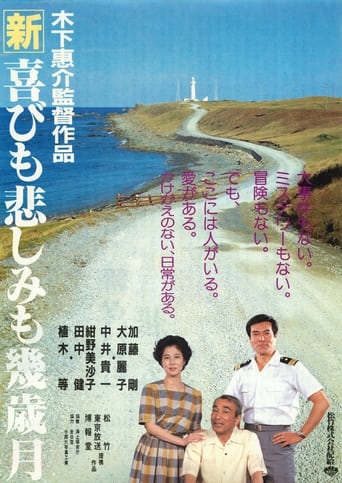
Big Joys, Small Sorrows
Writer
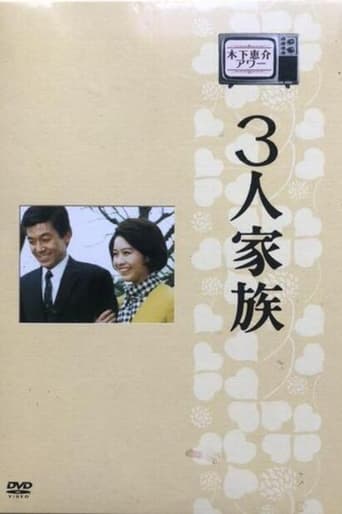
Family of Three
Creator
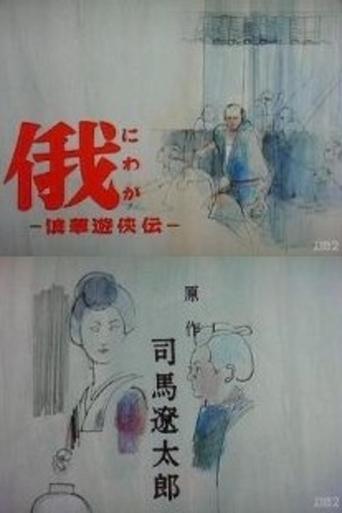
Story of Yakuza in Naniwa
Producer
Brother
Director
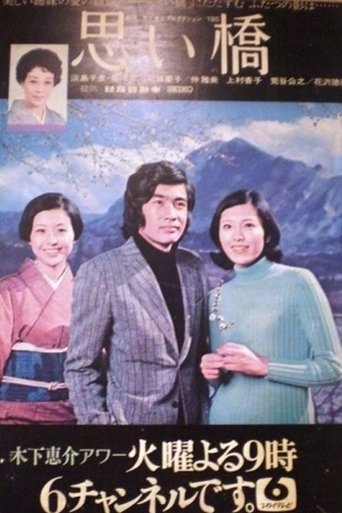
Omoi Bashi
Creator
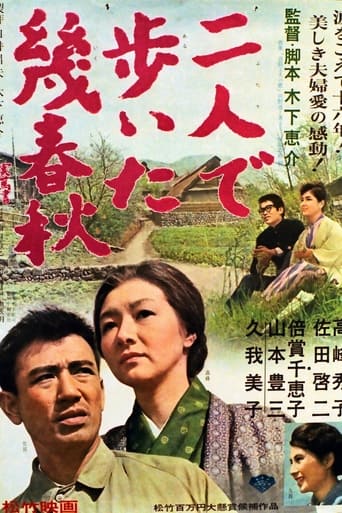
Ballad of a Workman
Producer
Filmography
- 2024カルメン故郷に帰るOriginal Story
- 2000Dora-heitaScreenplay
- 1988FatherWriter
- 1987Children on the IslandScreenplay
- 1986Big Joys, Small SorrowsWriter
- 1983I Lived, But...Self
- 1983Children of NagasakiOriginal Story
- 1980The Young RebelsDirector
- 1979Oh, My Son!Director
- 1979日本名作童話シリーズ 赤い鳥のこころCreator
- 1976Love and Separation in Sri LankaDirector
- 1974Wagako wa TaninCreator
- 1973Omoi BashiCreator
- 1972Kōfuku SōdanCreator
- 1971Taiyō no NamidaWriter
- 1971Mom’s ShouldersDirector
- 1970World of TwoProducer
- 1970Dodes'ka-denExecutive Producer
- 1970Story of Yakuza in NaniwaProducer
- 1970Ashita Kara no KoiDirector
- 1969BrotherDirector
- 1968Family of ThreeCreator
- 1968Oyaji DaikoCreator
- 1967Green Light to JoyScreenplay
- 1967Eyes, the Sea and a BallDirector
- 1967Kotoshi no KoiOriginal Story
- 1966Once a Rainy DayOriginal Story
- 1966She Was Like a Wild ChrysanthemumAdaptation
- 1965While Yet a WifeWriter
- 1964The Keisuke Kinoshita HourCreator
- 1964The Scent of IncenseProducer
- 1963A Legend or Was It?Director
- 1963Sing, Young People!Director
- 1962Children of IzuScreenplay
- 1962Ballad of a WorkmanProducer
- 1962Kiriko no unmeiScreenplay
- 1962Dolls floating down the riverScreenplay
- 1962This Year's LoveDirector
- 1961Immortal LoveDirector
- 1961Don't Ever Die, Mama!Screenplay
- 1960The River FuefukiScreenplay
- 1960Spring DreamsDirector
- 1959Thus Another DayDirector
- 1959Farewell to SpringDirector
- 1959The Snow FlurryDirector
- 1958The Eternal RainbowWriter
- 1958The Ballad of NarayamaDirector
- 1957Danger Stalks NearDirector
- 1957Times of Joy and SorrowWriter
- 1956The Rose on His ArmDirector
- 1956Farewell to DreamDirector
- 1956Ai to chie no waScreenplay
- 1955She Was Like a Wild ChrysanthemumDirector
- 1955Bride in the KitchenScreenplay
- 1955The Tattered WingsDirector
- 1954Twenty-Four Eyes(uncredited)
- 1954The Garden of WomenDirector
- 1953Love LetterScreenplay
- 1953A Japanese TragedyScreenplay
- 1953Sincere HeartScreenplay
- 1952Carmen's Innocent LoveDirector
- 1951Fireworks Over the SeaDirector
- 1951BoyhoodDirector
- 1951Carmen Comes HomeDirector
- 1951The Good FairyScreenplay
- 1950Wedding RingScreenplay
- 1949Broken DrumStory
- 1949Yotsuya Ghost Story Part 2Director
- 1949Yotsuya Ghost Story Part 1Director
- 1949Here's to the Young LadyDirector
- 1948ApostasyDirector
- 1948The PortraitDirector
- 1948WomanDirector
- 1947PhoenixDirector
- 1947MarriageDirector
- 1946The Girl I LovedStory
- 1946Morning for the Osone FamilyDirector
- 1944ArmyDirector
- 1944Jubilation StreetDirector
- 1943The Living MagorokuDirector
- 1943Port of FlowersDirector
- 1942Otoko no ikiWriter
- 1942The Spy Has Not Died YetScreenplay
- 1940The Story of Tank Commander NishizumiAssistant Director
- 1939Five SiblingsIdea
- 1937The Lights of AsakusaAssistant Director
- 1935Okoto and SasukeAssistant Camera
Follow their work on Vescene
Rate films and shows on two axes — quality and fun — and share taste with friends.