World War II: History on Trial
Season 1
2026 · 6 episodes
1. Defining Justice
2026-04-02 · 50m
The episode follows the Nuremberg trials in November 1945, when 22 Nazi leaders were put on trial in proceedings unprecedented in history. It shows how legal experts and governments attempted to define what constitutes a ‘crime against humanity’ and to establish rules for holding individuals accountable for atrocities, rather than placing the blame solely on the state.
2. The Enemy From Within
2026-04-02 · 50m
This episode focuses on the trials of collaborators in various European countries following the liberation. It explores how hundreds of thousands of defendants faced trial for having cooperated with the Nazi occupiers, revealing the dilemma between survival, resistance and revenge in the post-war period.
3. From Nuremberg to Tokyo
2026-04-02 · 50m
This chapter covers the period from the defence phase at Nuremberg – including Hermann Göring’s manoeuvres to undermine the tribunal – through to the trial of 28 Japanese leaders in Tokyo. The series contrasts the two experiences, highlighting political tensions between the Allies and the difficulties in applying similar standards of justice in Europe and Asia.
4. he Third Reich on Trial
2026-04-02 · 50m
The fourth episode deals with the twelve subsequent trials conducted exclusively by the United States following the main Nuremberg trials. Doctors, lawyers, industrialists and other members of the Third Reich’s elite are put in the dock, revealing the extent of civilian complicity in the policies of extermination and exploitation.
5. Propaganda, Pragmatism And Justice
2026-04-02 · 50m
This episode examines how, with the onset of the Cold War, the promise of Nuremberg was partially sacrificed in the name of realpolitik. Some cases were hushed up, others exploited for propaganda purposes, and the application of international justice became uneven, depending on national interests and ideological blocs.
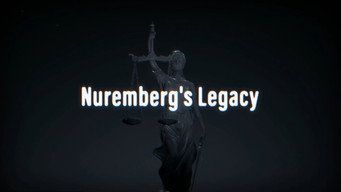
6. Nuremberg's Legacy
2026-04-02 · 50m
The final chapter moves on to the trial of Adolf Eichmann in 1961 and other belated actions against war criminals. It shows how these trials revived the Nuremberg ideal and ultimately contributed to the establishment of permanent international tribunals and the modern legal framework against genocide and war crimes.
Track it episode by episode
Rate films and shows on two axes — quality and fun — and share taste with friends.